
 › News › Veiled in the Yellow River, Linked by the Silk Road— Bingling Temple Grottoes Campus Public Forum Successfully Held
To carry forward China’s outstanding traditional culture and explore new approaches to preserving and passing on grotto cultural heritage, the "Bingling Temple Grottoes on Campus" public forum—hosted by the China Foundation for the Conservation of Dunhuang Grottoes, organized by the Bingling Temple Cultural Relics Conservation Institute, and co-organized by the Research Center for History and Culture —was successfully held on November 19, 2025, at Beijing Normal University–Hong Kong Baptist University United International College (hereinafter referred to as BNBU).
Centered on the theme “Bingling Temple Grottoes | Veiled in the Yellow River, Linked by the Silk Road,” the forum featured a compact yet rich program including keynote presentations, interactive discussions, and a quiz with prizes.
At the opening, Professor Wang Xiang of BNBU warmly welcomed the guardians of the Bingling Temple Grottoes. He noted that the forum offers students a valuable opportunity to encounter endangered cultural heritage and engage in dialogue with industry experts.
Next, Peng Jia—Director of Corporate Social Responsibility at China Business Network and a board member of the China Foundation for the Conservation of Dunhuang Grottoes—introduced the global significance of the Bingling Temple Grottoes in the history of grotto art. She further expounded on the essential role of grotto heritage in the continuation of Chinese civilization.
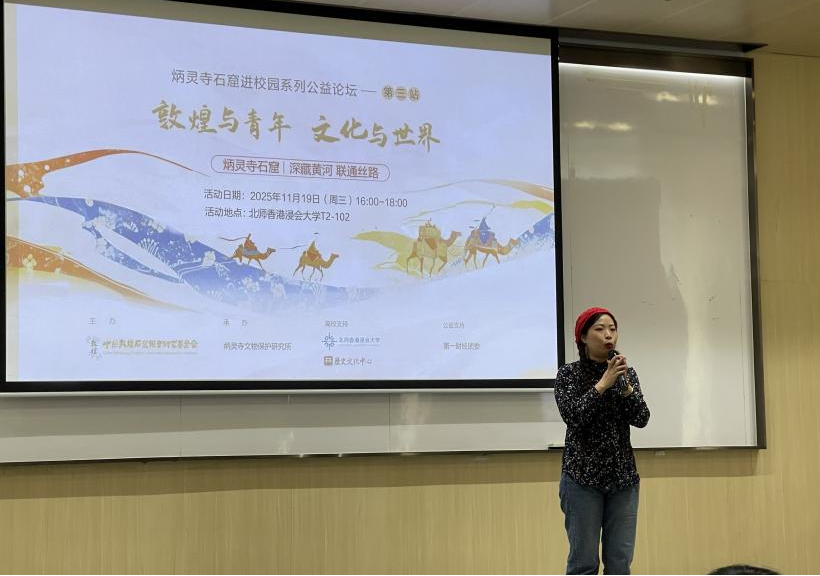
The first keynote speech, “Bingling Temple Grottoes on the Silk Road,” was delivered by Wang Lingxiu, Associate Research Fellow at the Bingling Temple Cultural Relics Conservation Institute. Beginning with the unique geographical environment of the site, she described how the grottoes were strategically built along the river-embraced Xiao Jishi Mountain. Drawing on detailed historical documents and rare visual materials, Wang highlighted the grottoes’ importance as a key hub for Buddhist transmission along the Silk Road and as a vivid example of multicultural exchange. The deep historical significance of the site, she noted, reflects the cultural inclusiveness of the Chinese nation.
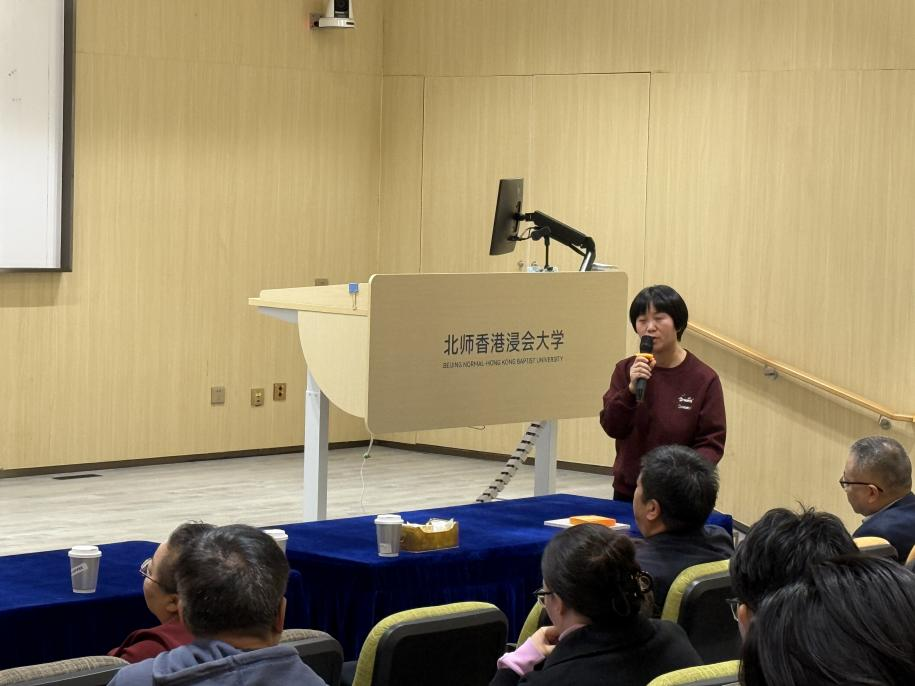
Following this, Ding Wanhua, Deputy Director of the Institute, shared his experience in grotto conservation over more than two decades. She recounted the process of protecting the grottoes and emphasized the contemporary significance of cultural heritage preservation amid ecological protection and high-quality development in the Yellow River Basin. Ding also called on younger generations to pay closer attention to and actively participate in safeguarding cultural heritage.
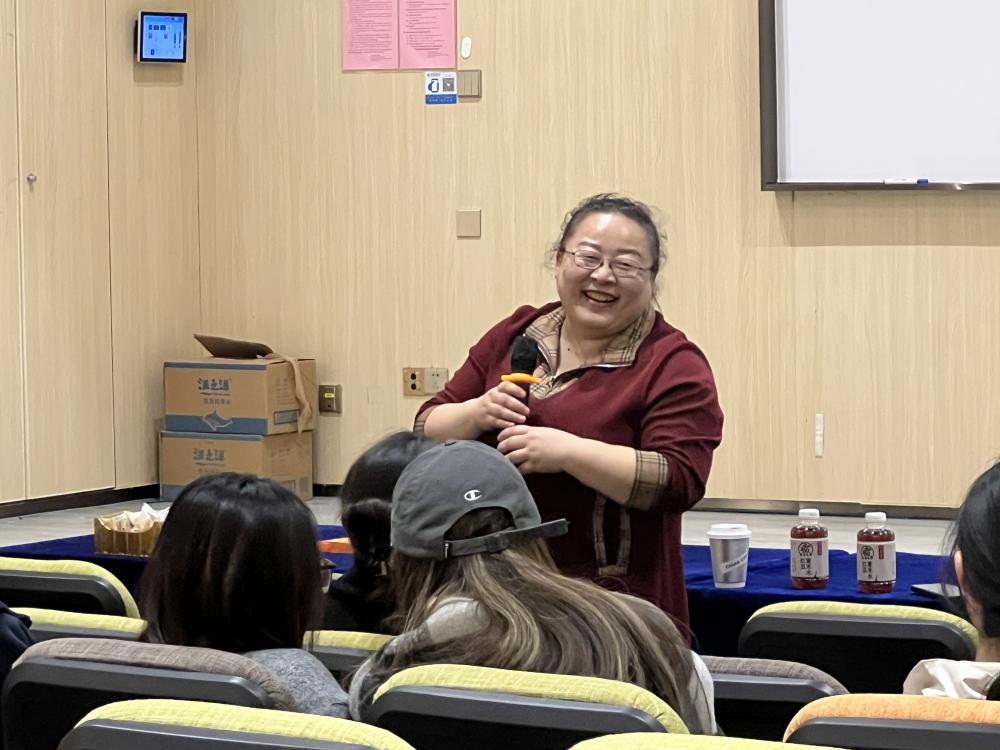
During the interactive session, experts from the Bingling Temple Cultural Relics Conservation Institute held an in-depth dialogue with teachers and students on the theme “Safeguarding Yellow River Cultural Heritage: Practices and Reflections from the Front Line.” They addressed questions from BNBU cultural enthusiasts regarding conservation techniques, sustainable utilization of cultural heritage, and more.
The quiz session designed around the lecture themes sparked participation from the audience, and it deepened the participants’ understanding of the Bingling Temple Grottoes.
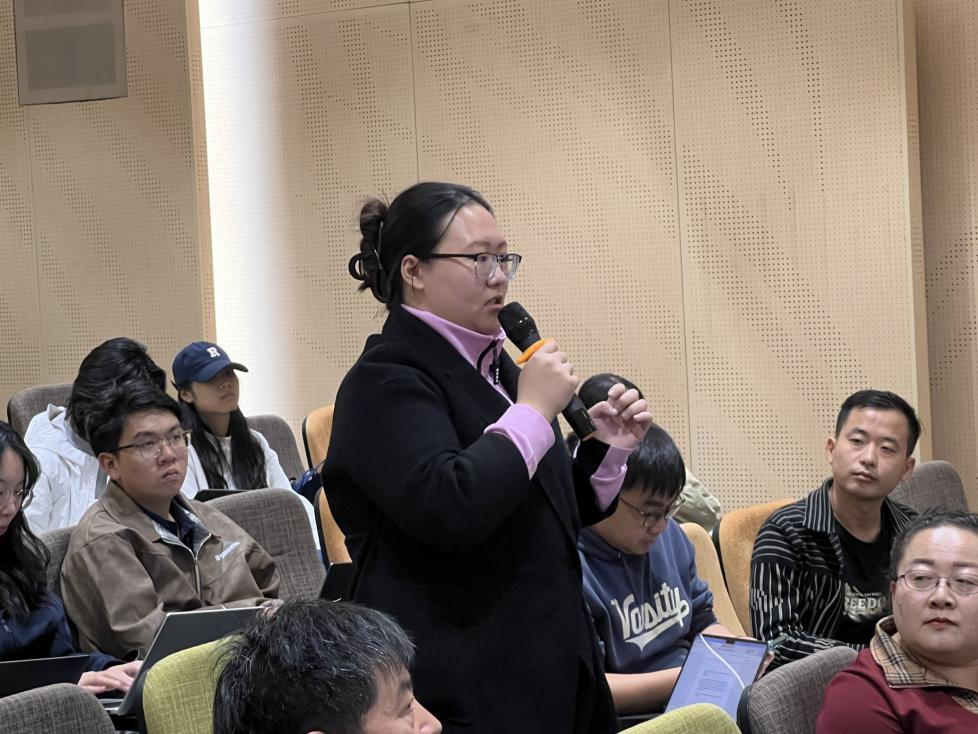
This public forum allowed participants to learn about contemporary practices in grotto heritage conservation and understand the charm of traditional Chinese culture through case studies and interactive exchanges.Participants expressed that the forum helped them better understand Yellow River Basin culture and strengthened their cultural confidence and awareness of heritage preservation.



The Research Centre for History and Culture invites applications from world-class scholars working on different regions of the pre-modern world.
JOIN US

